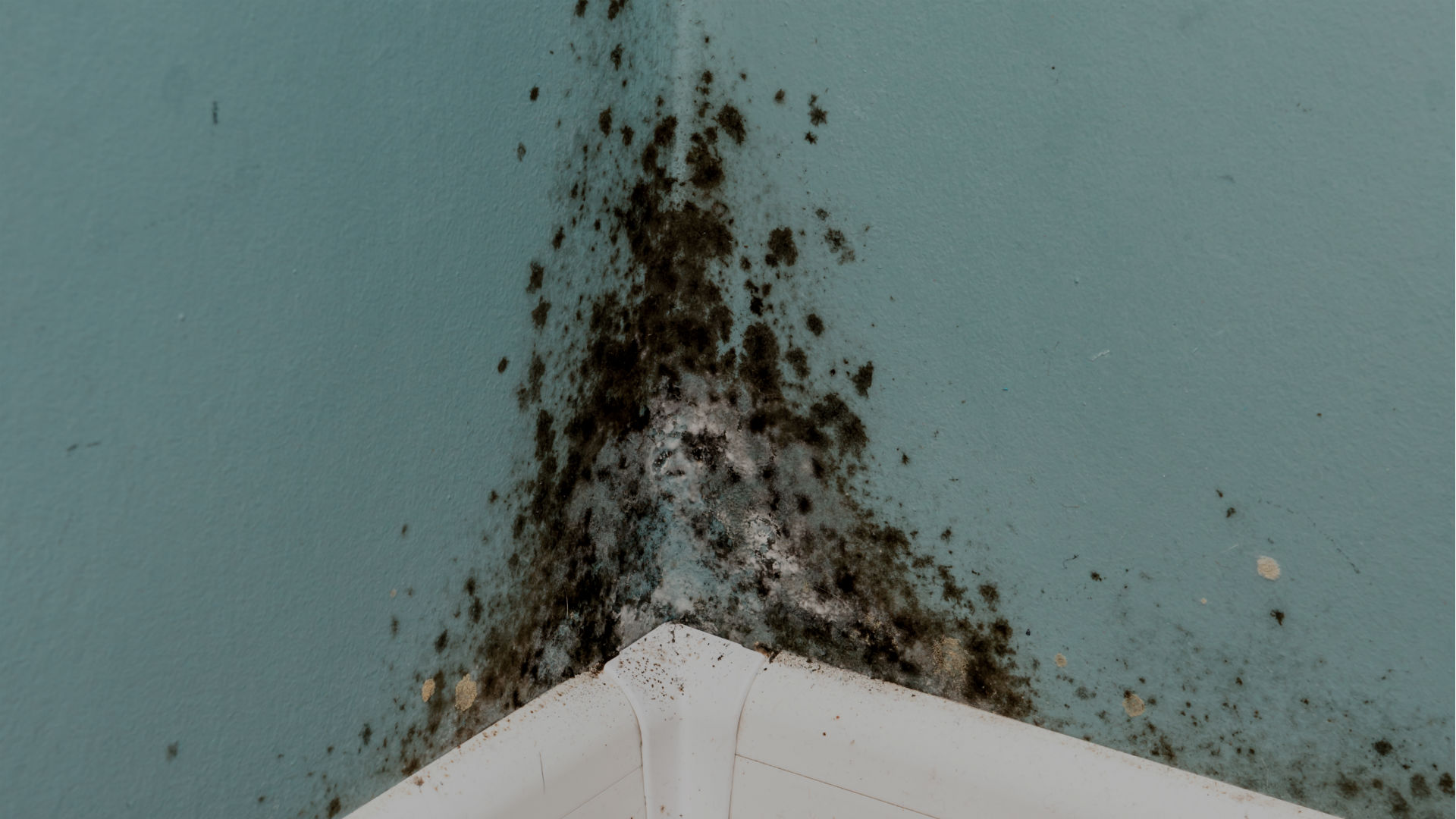
Mould growth inside residential, commercial, or industrial spaces can compromise indoor air quality, damage structures, and pose serious health risks. Accurate mould testing services identify the type, concentration, and location of fungal contamination, enabling targeted remediation and long-term prevention. This guide outlines the fundamentals of mould testing, the methods employed by professionals, and key considerations when selecting a reliable testing provider.
What Constitutes Mould Testing?
Mould testing is a systematic process that detects and quantifies fungal spores in the environment. The service typically involves three core stages: sampling, laboratory analysis, and detailed reporting. By converting invisible spores into measurable data, testing offers a factual basis for remediation decisions rather than relying on visual inspection alone.
Why Professional Mould Testing Matters
Even minor mould colonies can release allergens, mycotoxins, and volatile organic compounds (VOCs) that affect occupants’ health. Professional testing provides:
- Objective evidence for property owners, insurers, and health professionals.
- Identification of hidden growth behind walls, under flooring, or within HVAC systems.
- Guidance on the most effective remediation strategies.
- Compliance with building regulations and indoor-air-quality standards.
For a deeper dive into the health implications of indoor mould, Discover expert strategies here.
Common Mould Testing Methods
Air Sampling
Air sampling captures airborne spores using impactors, impingers, or cassette filters. Results indicate the concentration of mould spores per cubic metre of air, which helps assess exposure risk.
Surface Sampling
Surface swabs or tape lifts are applied to suspect areas (e.g., walls, ceilings, HVAC ducts). This method isolates mould colonies that may not be releasing spores into the air yet.
Bulk Sampling
When visible growth is present, a piece of the affected material is removed and sent to a laboratory for microscopic identification and culture. Bulk samples provide definitive species identification.
The Typical Workflow of a Mould Testing Service
A structured approach ensures consistency and reliability throughout the testing process:
- Pre-assessment: Inspect the property to locate potential moisture sources and high-risk zones.
- Sampling plan: Determine the number and type of samples required based on the size and usage of the space.
- Sample collection: Use calibrated equipment to gather air, surface, and bulk specimens while maintaining chain-of-custody documentation.
- Laboratory analysis: Accredited labs perform microscopic examination, culturing, and DNA-based identification.
- Reporting: Deliver a comprehensive report that includes:
- Quantitative spore counts.
- Species identification and potential health effects.
- Interpretation of results against indoor-air-quality benchmarks.
- Recommendations for remediation and future monitoring.
For a step-by-step explanation of this workflow, Learn about our tailored solutions.
Benefits of Engaging Qualified Professionals
- Accuracy: Certified technicians follow industry-standard protocols, reducing false positives/negatives.
- Safety: Proper sampling minimizes exposure to hazardous spores for both occupants and investigators.
- Legal defensibility: Detailed, lab-verified reports stand up in insurance claims and litigation.
- Efficiency: Targeted sampling saves time and resources compared to indiscriminate remediation.
To explore more on how precise testing translates into cost-effective remediation, Explore advanced guides and tips.
Choosing a Reputable Mould Testing Provider
Selecting the right service is as crucial as the testing itself. Consider the following criteria:
- Accreditation: Look for ISO-17025 or similar laboratory accreditation.
- Experience: Providers with a track record in residential, commercial, and industrial settings bring broader insight.
- Transparency: Clear communication about sampling methods, turnaround times, and pricing.
- Post-test support: Availability of experts to interpret results and advise on remediation.
For guidance on evaluating service credentials, Find out more about this approach.
Frequently Asked Questions
How long does a typical mould test take?
Sampling usually lasts a few hours, while laboratory analysis can range from 24″?hours to several days depending on the complexity of the specimens.
Can mould be detected without visible growth?
Yes. Air sampling can reveal elevated spore counts even when colonies are concealed behind walls or flooring.
Is mould testing covered by insurance?
Many property insurance policies include provisions for mould assessment, especially when water damage is documented. A professional report often satisfies claim requirements.
How often should mould testing be performed?
Testing is recommended after any water intrusion event, before purchasing or leasing a property, and periodically in high-humidity environments such as basements or commercial kitchens.
Conclusion
Understanding the scope and methodology of mould testing services empowers property owners, facility managers, and health professionals to make informed decisions about indoor air quality. By relying on accredited laboratories, systematic sampling, and clear reporting, stakeholders can address contamination efficiently, protect occupant health, and maintain the structural integrity of their buildings. For a comprehensive resource hub on indoor-air-quality management, Discover expert strategies here.