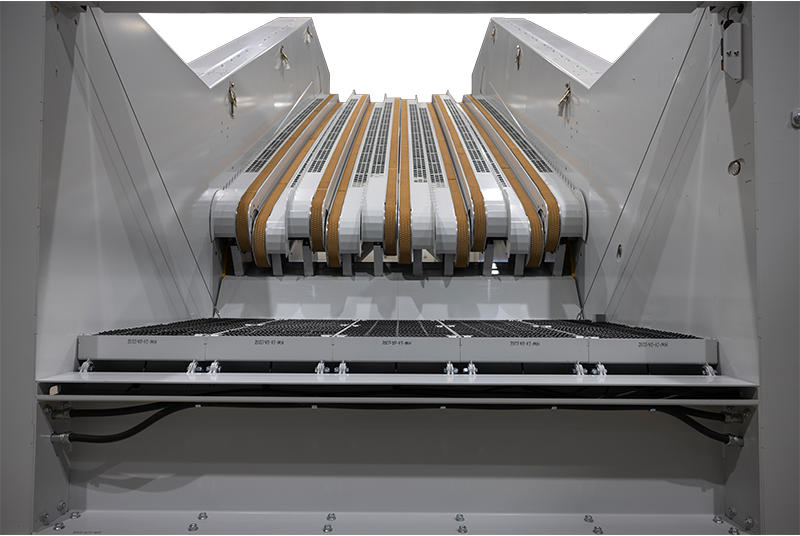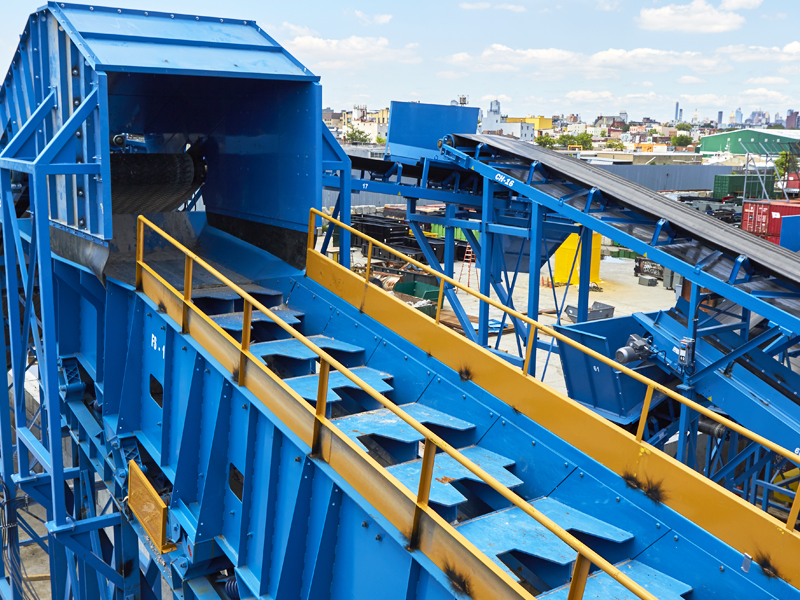
In today’s circular economy, the efficiency of recycling processes hinges on the quality and reliability of the equipment that drives material recovery. Leading manufacturers are continuously innovating to deliver machinery that not only meets stringent environmental standards but also supports the economic scalability of waste-to-resource operations. By integrating cutting-edge technology, robust engineering, and adaptable designs, these providers enable businesses to transform waste streams into valuable secondary raw materials while minimizing operational costs and carbon footprints.
Key Features of Modern Recycling Equipment
Durability and Engineering Excellence
- Heavy-duty steel frames engineered for continuous operation in harsh environments.
- Corrosion-resistant coatings that extend service life beyond a decade.
- Modular components that simplify maintenance and reduce downtime.
Automation and Smart Controls
- Programmable logic controllers (PLCs) for precise feed rate management.
- Real-time sensor data integrated with cloud-based analytics platforms.
- Adaptive sorting algorithms that improve material purity with each cycle.
Energy Efficiency and Sustainability
- Variable frequency drives (VFDs) that adjust motor speed to match load demands.
- Regenerative braking systems that recover energy during deceleration phases.
- Designs that comply with ISO 14001 environmental management standards.
Strategic Benefits for Sustainable Growth
Adopting state-of-the-art recycling machinery translates into measurable business advantages. Operators experience higher throughput, reduced labor intensity, and improved material recovery rates, all of which contribute to stronger profit margins and a greener brand reputation.
- Increased Yield: Advanced separation technologies capture a larger percentage of recyclable fibers, metals, and plastics.
- Cost Savings: Energy-saving features and predictive maintenance lower utility bills and service expenses.
- Regulatory Compliance: Equipment designed to meet evolving waste-management regulations helps avoid fines and penalties.
For a deeper dive into how these solutions drive operational excellence, Discover expert strategies here.
Implementation Considerations
Site Assessment and Customization
Before installation, a thorough analysis of the material flow, space constraints, and existing infrastructure is essential. Tailored configurations ensure that the machinery aligns with specific waste streams and production targets.
Training and Workforce Development
Effective operation hinges on skilled personnel. Comprehensive training programs cover equipment handling, safety protocols, and data interpretation to maximize performance.
Future-Proofing Investments
Scalable designs allow for easy upgrades as recycling technologies evolve. Investing in flexible platforms protects capital expenditures against rapid market changes.
Additional guidance on customizing equipment to unique operational needs can be found at Learn about our tailored solutions.
Case Studies Illustrating Impact
Several facilities have reported transformative results after integrating next-generation recycling equipment:
- Municipal Waste Facility: Achieved a 30% increase in aluminum recovery, reducing landfill disposal costs.
- Plastic Reprocessing Plant: Boosted throughput by 25% while cutting energy consumption by 18% through VFD implementation.
- Electronic Scrap Recycler: Enhanced copper purity to 99.5% using advanced sensor-based sorting, opening new market opportunities.
These outcomes demonstrate how strategic equipment selection fuels both environmental stewardship and economic resilience.
Looking Ahead: Trends Shaping the Recycling Equipment Landscape
- Artificial Intelligence Integration: Machine learning models predict equipment wear and optimize sorting parameters.
- Internet of Things Connectivity: Remote monitoring enables proactive maintenance and real-time performance dashboards.
- Hybrid Power Solutions: Combining solar assistance with grid power reduces reliance on fossil-based electricity.
Staying informed about emerging technologies is crucial for maintaining a competitive edge. For ongoing insights and practical recommendations, Explore advanced guides and tips.
Conclusion
The convergence of robust engineering, intelligent automation, and sustainability-focused design positions leading recycling equipment manufacturers as pivotal partners in the transition toward a circular economy. By selecting solutions that prioritize durability, efficiency, and adaptability, organizations can secure long-term growth, meet regulatory demands, and contribute meaningfully to environmental preservation.