Recycling equipment manufacturing is at a pivotal crossroads, where technological innovation meets escalating global demand for sustainable material management. As nations tighten regulations and corporations pursue circular-economy goals, manufacturers that can deliver reliable, high-performance machinery are positioned to capture new markets across Asia, Europe, and the Americas. This article explores the strategic considerations, emerging trends, and practical steps needed to expand a recycling equipment portfolio on a worldwide scale.
Understanding Global Market Drivers
Several macro-level forces shape the demand for recycling equipment:
- Regulatory pressure: Stricter landfill bans and extended producer responsibility (EPR) schemes force municipalities and private firms to invest in sorting and processing lines.
- Resource scarcity: Declining availability of virgin raw materials increases the economic appeal of secondary feedstock.
- Consumer awareness: Growing environmental consciousness drives brands to showcase recycled content, creating downstream demand for high-quality recyclates.
- Technological convergence: Advances in AI, robotics, and sensor-based sorting improve recovery rates, making newer equipment more attractive.
Manufacturers that align product development with these drivers can differentiate themselves in competitive marketplaces.
Key Product Categories and Their International Appeal
Mechanical Separation Systems
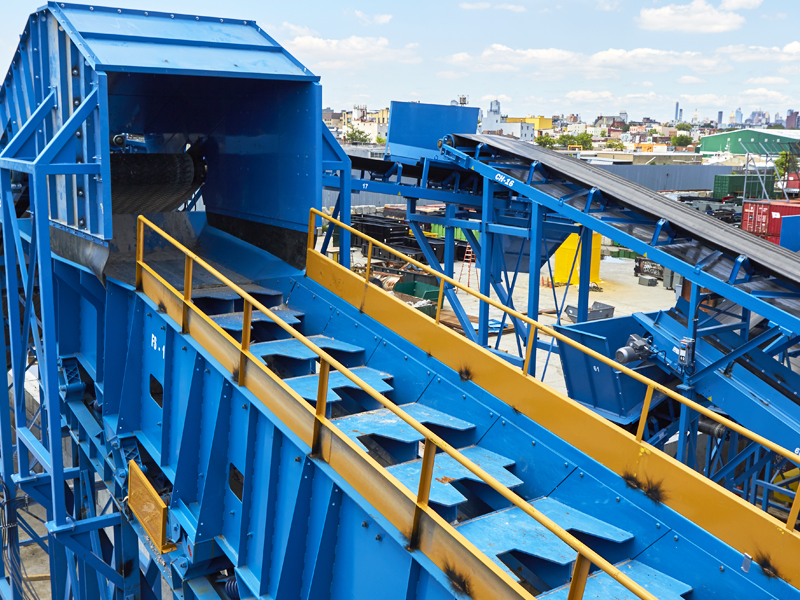
Machines such as shredders, trommels, and ballistic separators remain the backbone of material recovery. Their versatility allows adaptation to varied waste streams, from municipal solid waste (MSW) to construction and demolition debris.
- High throughput capacity for large-scale facilities.
- Modular designs that accommodate future upgrades.
- Robust construction for harsh operating environments.
For detailed specifications and performance data, anchor text provides a comprehensive reference point.
Advanced Optical and Sensor-Based Sorters
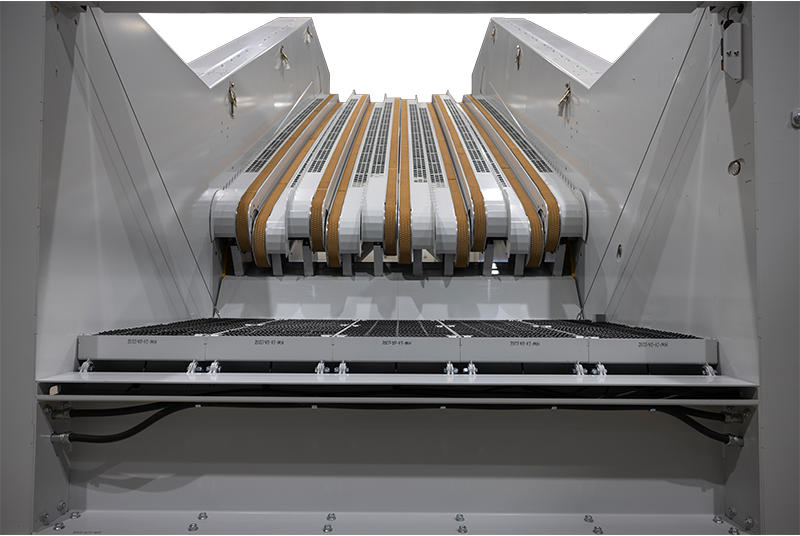
Optical sorters equipped with near-infrared (NIR), X-ray, and hyperspectral sensors enable precise segregation of plastics, paper, and metals. These technologies are especially valued in regions with stringent purity standards, such as the European Union.
- Real-time material identification reduces labor costs.
- Improved recyclate quality commands higher market prices.
- Integration with AI analytics optimizes line efficiency.
Industry professionals can Discover expert strategies here. to evaluate ROI on sensor-based upgrades.
Strategic Entry Points for Market Expansion
- Local Partnerships: Collaborate with regional engineering firms to navigate certification processes and provide on-site support.
- Tailored Solutions: Offer customizable machine configurations that address specific waste composition profiles.
- After-Sales Service Networks: Establish spare-part depots and training centers to ensure uptime and customer confidence.
- Financing Models: Introduce leasing or pay-per-ton options to lower capital barriers for emerging markets.
Guidance on structuring these partnerships is available through Learn about our tailored solutions. which outlines best practices for cross-border collaborations.
Regulatory Compliance and Certification
Compliance is non-negotiable when entering new territories. Manufacturers must address:
- CE marking and ISO 9001 for European markets.
- ANSI/ASME standards for North America.
- Local environmental permits and safety certifications in Asia and Africa.
Staying abreast of evolving legislation can be facilitated by consulting dedicated regulatory portals and industry associations.
Technology Adoption Roadmap
Implementing a phased technology adoption plan helps mitigate risk while maximizing market impact:
- Assessment Phase: Conduct waste-stream analysis to identify gaps in existing processing capabilities.
- Pilot Installation: Deploy a pilot line featuring modular equipment to validate performance.
- Scale-Up Phase: Expand capacity based on pilot results, integrating advanced sorting modules as needed.
- Continuous Improvement: Leverage data analytics to fine-tune operations and plan future upgrades.
For a deeper dive into each stage, Explore advanced guides and tips. offers actionable checklists and case studies.
Future Outlook: Emerging Trends to Watch
- Circular-Economy Platforms: Digital marketplaces connecting waste generators with recyclers will increase demand for flexible equipment.
- Decarbonization Initiatives: Energy-efficient machinery and renewable-powered facilities will become differentiators.
- Smart Maintenance: Predictive maintenance using IoT sensors reduces downtime and extends machine life.
- Material Innovation: New polymer blends and composite materials will require specialized processing solutions.
Staying ahead of these trends ensures long-term relevance and opens additional revenue streams.
Conclusion
Global opportunities in recycling equipment manufacturing are driven by a confluence of regulatory, economic, and technological factors. By focusing on adaptable product lines, building robust local partnerships, and adhering to rigorous compliance standards, manufacturers can successfully navigate diverse markets. Continuous investment in innovation, particularly in sensor-based sorting and data-driven optimization, will cement a competitive edge and support the worldwide transition toward a more sustainable, circular economy.
For readers seeking additional insights on strategic growth, Find out more about this approach. provides a wealth of resources tailored to the recycling equipment sector.