Software asset lifecycle management is a critical component of any organization’s IT strategy. It involves the management of software assets throughout their entire lifecycle, from acquisition to disposal. In today’s complex IT landscape, effective software asset lifecycle management is essential for ensuring compliance, reducing costs, and minimizing risk.
One of the key challenges organizations face in software asset lifecycle management is staying up-to-date with changing licensing requirements. This can be particularly challenging for large organizations with complex IT infrastructures. To address this challenge, many organizations are turning to lifecycle asset management software to help them manage their software assets more effectively.
Effective software asset lifecycle management requires a comprehensive approach that involves several key steps. These include:
- Inventory management: This involves creating a detailed inventory of all software assets, including their location, usage, and licensing status.
- Licensing management: This involves ensuring that all software assets are properly licensed and that licensing requirements are met.
- Compliance management: This involves ensuring that all software assets are compliant with relevant laws and regulations.
- Disposal management: This involves ensuring that all software assets are properly disposed of when they are no longer needed.
In addition to these key steps, organizations must also ensure that their software asset lifecycle management processes are aligned with their overall IT strategy. This involves working closely with IT stakeholders to understand their needs and requirements, and to ensure that software asset lifecycle management processes are aligned with these needs.
One of the key benefits of effective software asset lifecycle management is reduced costs. By ensuring that all software assets are properly licensed and that licensing requirements are met, organizations can avoid costly fines and penalties. Additionally, by ensuring that all software assets are properly disposed of when they are no longer needed, organizations can reduce their environmental impact and avoid costly disposal costs.
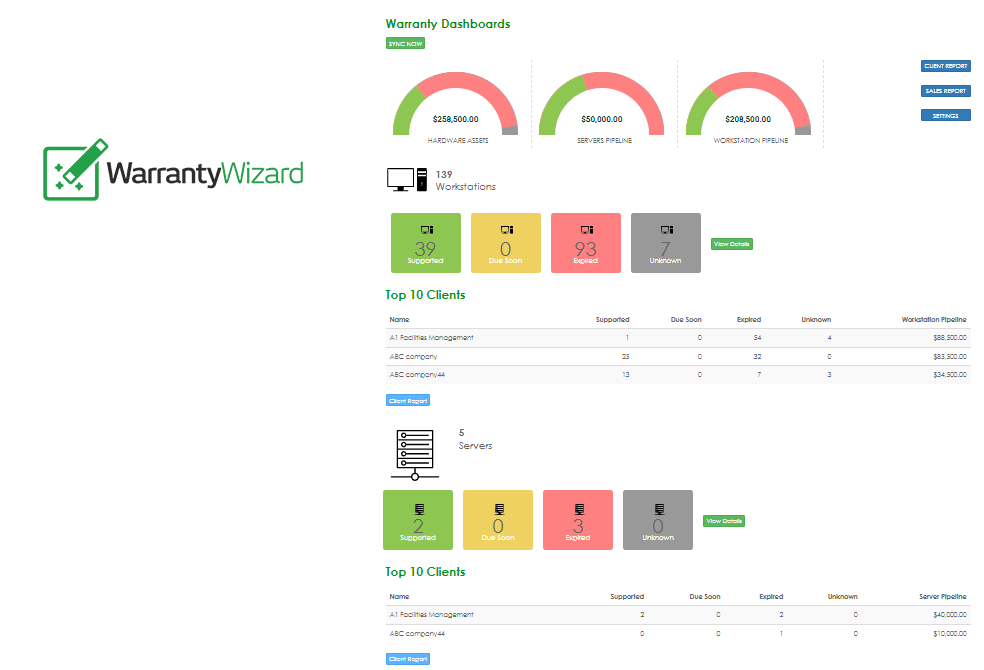
To achieve these benefits, organizations can use a range of tools and technologies, including software asset lifecycle management it asset lifecycle management software. These tools and technologies can help organizations to manage their software assets more effectively, and to ensure that all software assets are properly licensed and disposed of.
In conclusion, effective software asset lifecycle management is critical for any organization that wants to ensure compliance, reduce costs, and minimize risk. By following the key steps outlined above, and by using the right tools and technologies, organizations can achieve these benefits and ensure that their software assets are properly managed throughout their entire lifecycle.
For more information on software asset lifecycle management, and to learn how to implement effective software asset lifecycle management processes in your organization, visit our website at lifecycle asset management software and discover how our solutions can help you achieve your goals.