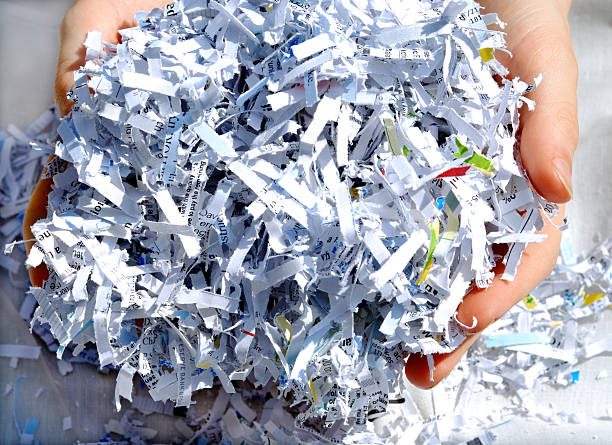
In today’s environmentally-conscious world, recycling plays a crucial role in waste management. Among the many materials that can be recycled, paper is often at the forefront due to its widespread use and the ease with which it can be processed. However, when it comes to shredded paper, the recycling process can become a bit more complex. Understanding the nuances of shredded paper recycling is essential for both individuals and businesses aiming to minimize their ecological footprint. This guide aims to provide comprehensive insights into the recycling of shredded paper, ensuring that it is handled effectively and sustainably.
Why Shredded Paper is Different
Shredded paper presents unique challenges in the recycling process that differ from whole paper or cardboard. These challenges primarily arise due to the smaller size and altered structure of the paper once it is shredded.
- Shredded paper fibers are shorter, making them less valuable for recycling purposes.
- Small pieces can slip through sorting machinery, leading to contamination or inefficiency in recycling facilities.
- Shredded paper is often mixed with non-recyclable materials, like plastic from window envelopes, complicating the separation process.
Best Practices for Recycling Shredded Paper
Despite the challenges, there are effective strategies to recycle shredded paper efficiently. Here are some best practices:
Preparation Before Shredding
Before shredding documents, consider if shredding is necessary for all papers. Sensitive documents should be shredded, but less sensitive papers might be recycled whole to maintain fiber length.
- Remove any non-paper materials such as staples, paperclips, or plastic windows before shredding.
- Separate sensitive information from non-sensitive paper to reduce the amount of shredded paper.
Collection and Storage
Proper collection and storage can facilitate the recycling of shredded paper.
- Use clear bags or bins to store shredded paper, allowing recyclers to easily identify it.
- Keep shredded paper dry and free from contaminants such as food or liquids, which can hinder the recycling process.
Alternatives to Traditional Recycling
Given the difficulties in recycling shredded paper through conventional means, there are alternative methods to consider:
Composting
Shredded paper can be an excellent addition to compost piles, providing necessary carbon for the composting process.
- Mix shredded paper with green waste to balance carbon and nitrogen levels.
- Avoid composting shredded paper with glossy coatings or inks that could contain harmful chemicals.
Reuse and Repurpose
Creative ways to reuse shredded paper can extend its lifecycle and reduce waste.
- Use shredded paper as packing material for shipping or storing fragile items.
- Incorporate shredded paper into arts and crafts projects, such as papier-m??ch?? or as filling for handmade cushions or pillows.
Conclusion
Understanding how to manage shredded paper effectively is crucial for sustainable waste management. While it poses unique challenges, adhering to best practices and exploring alternative uses can significantly contribute to environmental conservation efforts. With informed decisions, both individuals and organizations can play a vital role in optimizing the recycling process and reducing landfill contributions. For more detailed guidance on shredded paper recycling practices, consider consulting local recycling programs or professional waste management services. By doing so, a positive impact on the environment can be achieved through responsible resource handling.