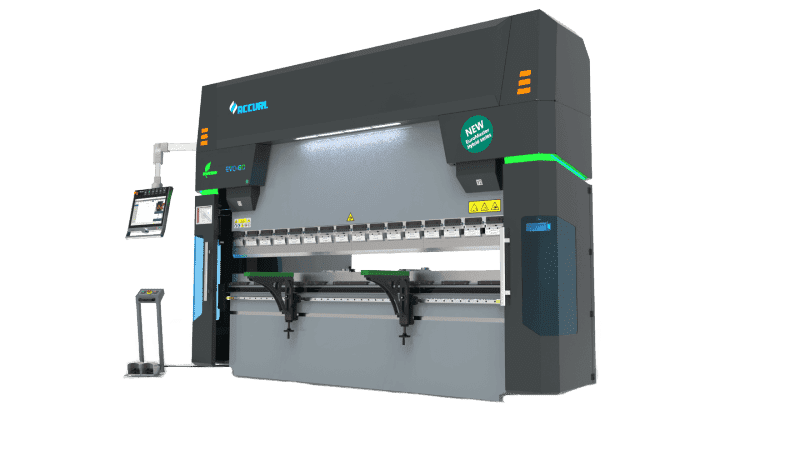
In the world of sheet metal fabrication, precision and efficiency are paramount. A press brake is a crucial tool in this domain, designed to create precise bends in metal sheets. While large press brakes are a staple in extensive industrial operations, small press brakes have emerged as a viable alternative for businesses looking to balance cost and capability. But is investing in a small press brake the right decision for your business? This article will explore key considerations, advantages, potential drawbacks, and application contexts to help guide your decision.
Understanding Press Brakes
A press brake is a machine used to bend sheet metal. The process involves placing the metal on top of a die and pressing it with a punch, creating precise angles and shapes. Small press brakes are typically more compact, making them ideal for operations with limited space or for specific, smaller-scale applications.
Key Considerations Before Investing
- Space Availability: Ensure there is adequate space for the machine and for operators to work efficiently.
- Production Volume: Evaluate if the production needs align with the capabilities of a small press brake.
- Material Requirements: Consider the types and thicknesses of materials you will be working with.
- Budget Constraints: Compare the cost-effectiveness of a small press brake against larger models.
Advantages of Small Press Brakes
Small press brakes offer several benefits that make them an attractive option for many businesses:
- Cost Efficiency: Smaller machines generally require a lower initial investment and have reduced operating costs.
- Space-Saving Design: Their compact size makes them suitable for facilities with limited space.
- Ease of Use: Many small press brakes feature user-friendly interfaces, reducing the learning curve for operators.
- Flexibility: Ideal for smaller, custom jobs where precision is key.
Discover expert strategies here.
Potential Drawbacks
While small press brakes are advantageous in many scenarios, there are limitations to consider:
- Limited Capacity: They may not be suitable for high-volume or heavy-duty fabrication tasks.
- Material Constraints: Thicker or harder materials may exceed the machine’s capabilities.
- Upgrade Needs: As business grows, the need for more advanced equipment may arise.
For businesses anticipating growth, it might be beneficial to explore advanced guides and tips to plan for future upgrades.
When Is a Small Press Brake the Right Choice?
A small press brake is particularly suitable for:
- Small to medium-sized workshops looking to enhance their capabilities without a massive investment.
- Custom fabrication shops where versatility and precision are essential.
- Businesses with limited space but frequent need for metal bending.
Find out more about this approach to determine if a small press brake aligns with your operational goals.
Conclusion
Investing in a small press brake can be a strategic decision for businesses aiming to boost efficiency while maintaining a manageable budget. By carefully evaluating production needs, space constraints, and future growth plans, businesses can determine if a small press brake will meet their operational requirements. For those considering this investment, it is essential to weigh the benefits against potential limitations and to seek guidance from industry experts. Learn about our tailored solutions to ensure an informed decision-making process.