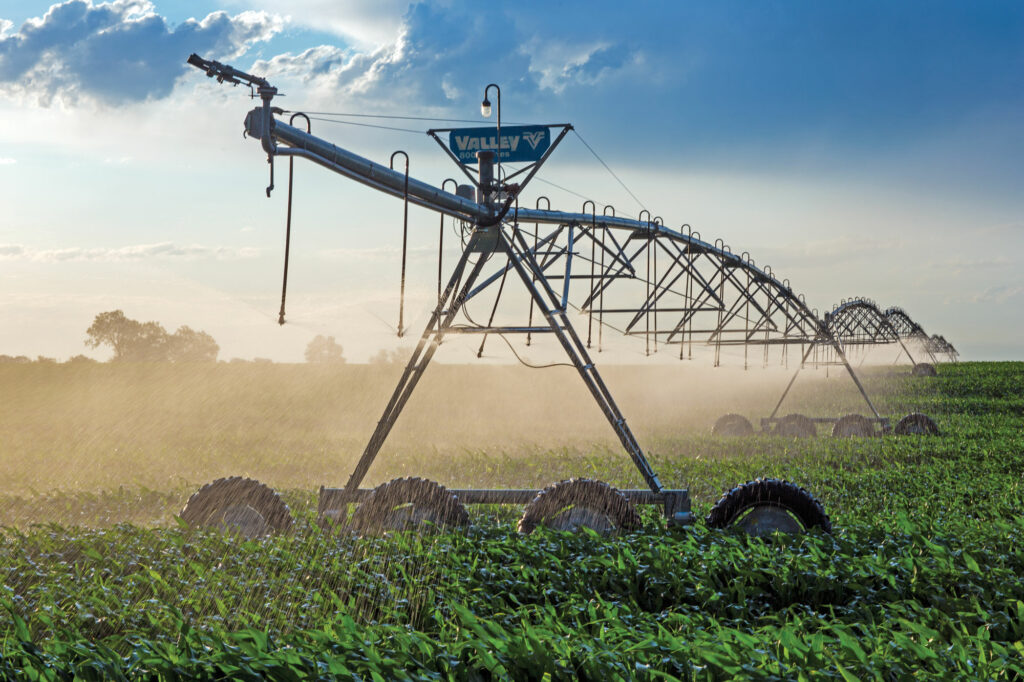
In the rapidly evolving world of agriculture and landscape management, efficiency and precision are more critical than ever. Water management plays a pivotal role in ensuring optimal growth and sustainability. With the advent of remote control irrigation controllers, managing irrigation systems has become increasingly streamlined. These advanced tools offer a range of benefits, not least of which is the significant time-saving potential they provide to agricultural professionals and landscapers. By integrating technology with traditional water management practices, remote control irrigation controllers are setting new standards for efficiency and effectiveness.
Understanding Remote Control Irrigation Controllers
Remote control irrigation controllers are sophisticated devices that allow users to manage their irrigation systems from a distance. These controllers typically connect to a central system via wireless or cellular networks, providing real-time monitoring and control over water distribution.
Key Features
- Real-time data access and monitoring
- Automated scheduling and adjustments
- Weather-based irrigation controls
- Water usage analytics and reporting
By utilizing these features, users can significantly reduce the time spent manually monitoring and adjusting their irrigation systems. Learn about our tailored solutions.
Time-Saving Benefits
The primary advantage of remote control irrigation controllers is the ability to manage water usage efficiently, ultimately saving valuable time. Here are some of the ways these devices can enhance operational efficiency:
Automated Scheduling
Automated scheduling allows users to set specific times for irrigation, which can be dynamically adjusted based on weather forecasts or soil moisture levels. This automation reduces the need for manual intervention, allowing users to focus on other critical tasks.
Instant Adjustments
With remote access, any changes in irrigation needs can be addressed promptly. Whether due to unexpected weather conditions or changes in crop requirements, adjustments can be made instantly, ensuring optimal water usage without the need for physical presence.
Integrating Remote Control Systems
Integrating remote control systems into existing irrigation frameworks is a straightforward process, often requiring minimal infrastructure changes. The following steps outline how these systems can be seamlessly adopted:
- Assess current irrigation requirements and infrastructure.
- Choose a compatible remote control system that aligns with existing equipment.
- Install necessary hardware and connect to a central management platform.
- Configure settings and schedules to optimize water usage.
For those looking to enhance their irrigation practices, discover expert strategies here.
Conclusion
As the demands on agricultural and landscaping professionals continue to grow, the need for efficient water management solutions becomes increasingly important. Remote control irrigation controllers stand out as a powerful tool for saving time and optimizing resources. By embracing these technologies, professionals can ensure more sustainable and productive practices. For further insights and comprehensive guides, explore advanced guides and tips. By leveraging the capabilities of remote control irrigation controllers, users can transform their operations, leading to better outcomes and a more sustainable future.