In recent years, the Montessori method has gained significant traction in New Zealand, particularly in Auckland. As parents increasingly seek alternative education methods that foster creativity, independence, and a love for learning, Montessori schools have become a popular choice. However, finding quality Montessori primary schools in Auckland can be challenging. This guide explores key factors to consider when selecting a Montessori school and highlights resources to aid in making an informed decision.
Understanding the Montessori Method
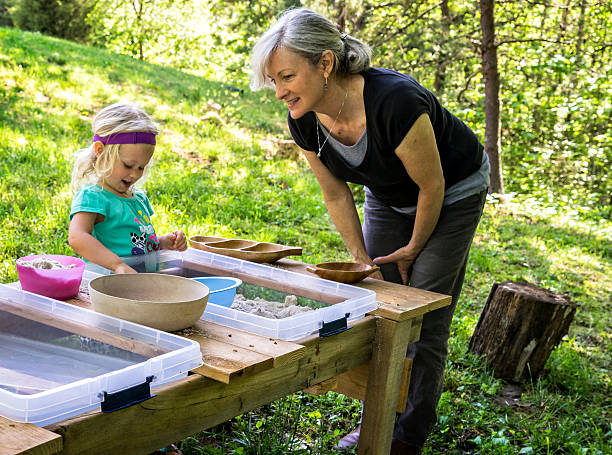
The Montessori method, developed by Dr. Maria Montessori, emphasizes hands-on learning, self-directed activity, and collaborative play. In Montessori classrooms, children make creative choices in their learning while teachers offer age-appropriate activities to guide the process.
Key Principles of Montessori Education
- Child-Centered Learning: The curriculum is designed based on the child’s needs, interests, and pace of learning.
- Prepared Environment: Classrooms are carefully prepared with materials that encourage exploration and discovery.
- Role of the Teacher: Teachers act as guides and facilitators, rather than traditional instructors.
- Mixed-Age Classrooms: This setup encourages peer learning and social development.
For a deeper understanding of these principles, explore further insights here.
Criteria for Choosing a Montessori Primary School in Auckland
When evaluating Montessori schools in Auckland, consider the following factors:
Accreditation and Affiliation
Ensure the school is accredited by relevant Montessori organizations. Accreditation guarantees adherence to Montessori principles and a commitment to continuous improvement. Find additional information here on what to look for in a Montessori accreditation.
Teacher Qualifications and Training
- Check if the teachers have undergone certified Montessori training.
- Experienced teachers with a deep understanding of Montessori methods enhance the learning experience.
Learn more in this detailed guide about the importance of qualified educators in Montessori schools.
Classroom Environment
- Visit the school to observe the classroom environment.
- Look for an organized space with accessible materials that promote independence.
- Consider the student-to-teacher ratio, as smaller classes allow for personalized attention.
Curriculum and Extracurricular Activities
While Montessori schools follow a child-centered curriculum, they should also offer a balanced range of activities:
- Inquiry-based projects and hands-on learning experiences.
- Opportunities for physical activities and artistic expression.
- Community involvement and social responsibility projects.
For insights on a balanced Montessori curriculum, read more about this topic.
Visiting and Evaluating Potential Schools
Before making a decision, visiting potential schools is crucial. During your visit:
- Observe classroom dynamics and interactions between teachers and students.
- Ask about the school”?s approach to conflict resolution and discipline.
- Inquire about parental involvement and communication practices.
These visits offer a first-hand look at how the school operates daily and whether it aligns with your educational values.
Conclusion
Choosing the right Montessori primary school in Auckland involves careful consideration of several factors, from accreditation to classroom dynamics. By thoroughly researching and visiting schools, parents can make informed decisions that align with their educational philosophies and aspirations for their children. The Montessori approach offers a unique and enriching educational experience that nurtures a child’s natural desire to learn. For further guidance on selecting a Montessori school, explore further insights here.