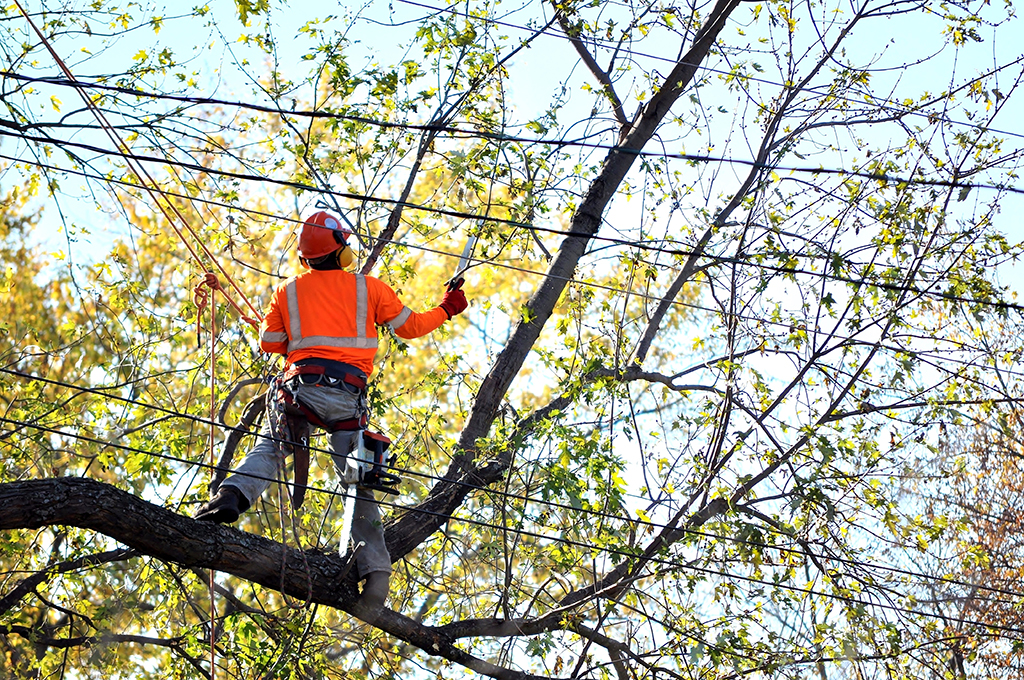
In the quest to create a harmonious and aesthetically pleasing landscape, tree pruning stands as a fundamental task that should not be overlooked. Trees, with their majestic presence, can enhance the beauty of any property, but without proper care, they can become overgrown, unhealthy, and even hazardous. Professional tree pruning services offer a solution that not only maintains the health of trees but also enhances their natural form, contributing to the overall landscape design. This article delves into the benefits of professional tree pruning and the various techniques employed to achieve an optimal landscape.
The Importance of Tree Pruning
Tree pruning is not merely an aesthetic practice; it plays a critical role in maintaining the health and safety of trees. Proper pruning can:
- Enhance tree structure and strength, reducing the risk of broken limbs.
- Improve exposure to sunlight and air circulation, vital for tree growth and health.
- Prevent interference with power lines or property structures.
- Eliminate diseased, damaged, or dead branches to promote new growth.
For those seeking to preserve and enhance their landscape through expert tree care, discover expert strategies here.
Understanding Different Pruning Techniques
Professional tree pruning encompasses a variety of techniques, each tailored to specific needs and tree species. Some common methods include:
Thinning
Thinning involves removing branches to allow more light and air penetration throughout the tree. This technique is ideal for reducing the density of foliage and enhancing the tree’s overall vigor.
Raising
Raising refers to the removal of lower branches to provide clearance for pedestrians, vehicles, or buildings. This method not only improves safety but also enhances the tree’s appearance by accentuating its natural structure.
Reduction
Reduction is used to decrease the size of a tree, often for utility line clearance or to prevent interference with structures. This technique requires precision to maintain the tree’s form and health.
For more insights into these techniques, learn about our tailored solutions and how they can be applied to specific landscapes.
When to Prune: Timing and Frequency
The timing and frequency of pruning are crucial factors that can significantly affect tree health and growth. While the best time to prune varies by tree species, some general guidelines include:
- Winter Pruning: Often recommended for most trees as it promotes robust spring growth.
- Summer Pruning: Helps control growth and remove defective limbs.
- Spring Pruning: Should be minimal to avoid interfering with growth cycles.
Understanding the appropriate timing for pruning can be complex. Explore advanced guides and tips for expert advice tailored to specific tree species and landscape needs.
Choosing Professional Pruning Services
Entrusting tree care to professionals ensures that the task is performed with expertise and precision. Professional arborists are equipped with the knowledge and tools to provide comprehensive care, ensuring that trees are pruned correctly and safely.
- Certified Arborists: Experts trained to understand tree biology and best practices for pruning.
- Safety: Professionals adhere to safety standards, reducing the risk of accidents and property damage.
- Long-Term Health: Proper pruning promotes longevity and health, preserving the natural beauty of the landscape.
For those considering professional tree pruning services, find out more about this approach to improve landscape aesthetics and safety.
In conclusion, professional tree pruning services offer a strategic approach to maintaining healthy, beautiful trees that enhance the overall landscape. By understanding the importance of pruning, the techniques involved, and the benefits of professional services, homeowners can make informed decisions that contribute to a thriving outdoor environment.