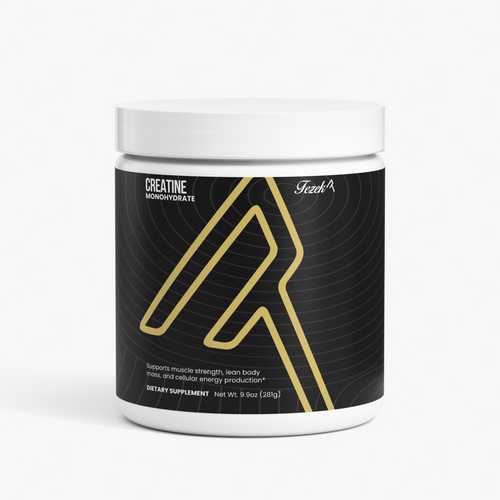
Creatine monohydrate remains one of the most researched and widely used supplements for athletes, bodybuilders, and anyone seeking to improve high-intensity performance. While the basic premise, replenishing phosphocreatine stores to boost ATP regeneration, is straightforward, the true benefits hinge on proper dosage, timing, and consistency. This guide consolidates current scientific insights and practical recommendations, offering a clear roadmap for anyone looking to integrate creatine safely and effectively into a training regimen.
Understanding Creatine Monohydrate: How It Works
Creatine is a naturally occurring compound stored primarily in skeletal muscle. When you perform short, explosive movements (e.g., sprinting, weightlifting), your body taps into the phosphocreatine system to rapidly regenerate ATP, the energy currency of cells. Supplementing with creatine monohydrate elevates intramuscular stores, allowing for:
- Increased power output during high-intensity bouts.
- Enhanced muscle volumization through osmotic water retention.
- Improved recovery between sets and training sessions.
- Potential long-term gains in lean body mass.
For a deeper dive into the science behind these mechanisms, Explore advanced guides and tips.
Standard Loading Phase vs. Straight-Forward Dosing
Loading Phase (Traditional Approach)
The classic protocol involves a short “loading” period to saturate muscle creatine stores quickly.
- Dosage: 20″?g per day, split into 4″???”?5″?g servings.
- Duration: 5-7 days.
- Maintenance: After loading, switch to 3-5″?g per day.
This method can raise muscle creatine levels by up to 20-30″?% within a week, leading to faster performance gains.
Straight-Forward (No-Load) Protocol
Many athletes prefer a simpler approach that avoids the high-volume loading phase.
- Dosage: 3-5″?g per day from day one.
- Time to Saturation: Approximately 3-4 weeks.
- Benefits: Reduced gastrointestinal discomfort and easier adherence.
Both strategies ultimately achieve similar muscle creatine concentrations; the choice depends on personal preference and training schedule.
Optimal Timing: When to Take Creatine
Research suggests that timing can influence the magnitude of performance improvements, though the overall effect is modest compared to total daily intake.
Pre-Workout Consumption
- Provides immediate availability for the upcoming training session.
- May enhance short-term power output, especially when combined with a carbohydrate-protein source that spikes insulin.
Post-Workout Consumption
- Insulin sensitivity peaks after exercise, facilitating creatine uptake.
- Pairing creatine with a 3:1 carbohydrate-to-protein shake can maximize muscle glycogen restoration and protein synthesis.
Consistent Daily Intake
- The most critical factor is maintaining a steady daily dose.
- Whether taken pre-, post-, or at any other convenient time, consistency outweighs precise timing.
For practical supplementation schedules, Discover expert strategies here.
Practical Dosage Recommendations
- Beginners: Start with 3″?g per day for the first two weeks to assess tolerance.
- Intermediate/Advanced Athletes: 5″?g per day is sufficient for most adults; increase to 7-10″?g only if body mass exceeds 100″?kg and training volume is exceptionally high.
- Women: 3-5″?g per day is typically adequate; hormonal fluctuations do not require dosage adjustments.
- Older Adults (50+): 5″?g daily can support muscle maintenance and cognitive health.
Mixing and Consumption Tips
- Creatine monohydrate is highly soluble in warm water or tea; cold liquids may leave a slight residue.
- Avoid mixing with acidic juices (e.g., orange juice) for prolonged periods, as acidity can degrade creatine over time.
- Combining with 20-30″?g of fast-acting carbohydrates (e.g., dextrose, fruit juice) can enhance uptake via insulin spikes.
- Consistent hydration is essential, creatine draws water into muscle cells, so aim for an additional 500″?ml of fluid daily.
Potential Side Effects and Safety Profile
Creatine monohydrate is one of the most rigorously studied dietary supplements, with a strong safety record when used at recommended doses.
- Common Minor Issues: Bloating or mild gastrointestinal discomfort, usually mitigated by splitting the dose.
- Renal Concerns: No evidence of kidney damage in healthy individuals; those with pre-existing kidney disease should consult a physician.
- Long-Term Use: Studies spanning up to five years show no adverse effects on liver function, blood lipids, or hormonal balance.
For a comprehensive safety overview, Find out more about this approach.
Special Considerations for Different Training Goals
Strength & Power Athletes
- Prioritize post-workout dosing with a carbohydrate-protein blend.
- Consider a short loading phase to accelerate early gains.
Endurance Athletes
- Maintain a steady 3-5″?g daily dose to support repeated high-intensity intervals.
- Combine with electrolytes to offset increased water retention.
Bodybuilders & Hypertrophy Focus
- Pair creatine with a protein-rich meal to maximize muscle protein synthesis.
- Utilize the loading protocol during bulking phases for rapid volumization.
Frequently Asked Questions
- Can creatine be taken on rest days? Yes, daily intake maintains saturation.
- Is a “cycling” protocol necessary? No scientific evidence supports cycling; continuous use is safe.
- What form of creatine is best? Creatine monohydrate remains the gold standard for efficacy and cost.
Conclusion
Creatine monohydrate offers a reliable, evidence-based method to enhance strength, power, and muscle recovery. Whether opting for a rapid loading phase or a gradual straight-forward approach, the key determinants of success are consistent daily dosing and adequate hydration. By aligning supplementation timing with training sessions, preferably post-workout with a carbohydrate-protein source, athletes can maximize creatine uptake and translate cellular benefits into tangible performance gains.
For additional resources, personalized plans, and the latest research updates, Learn about our tailored solutions.