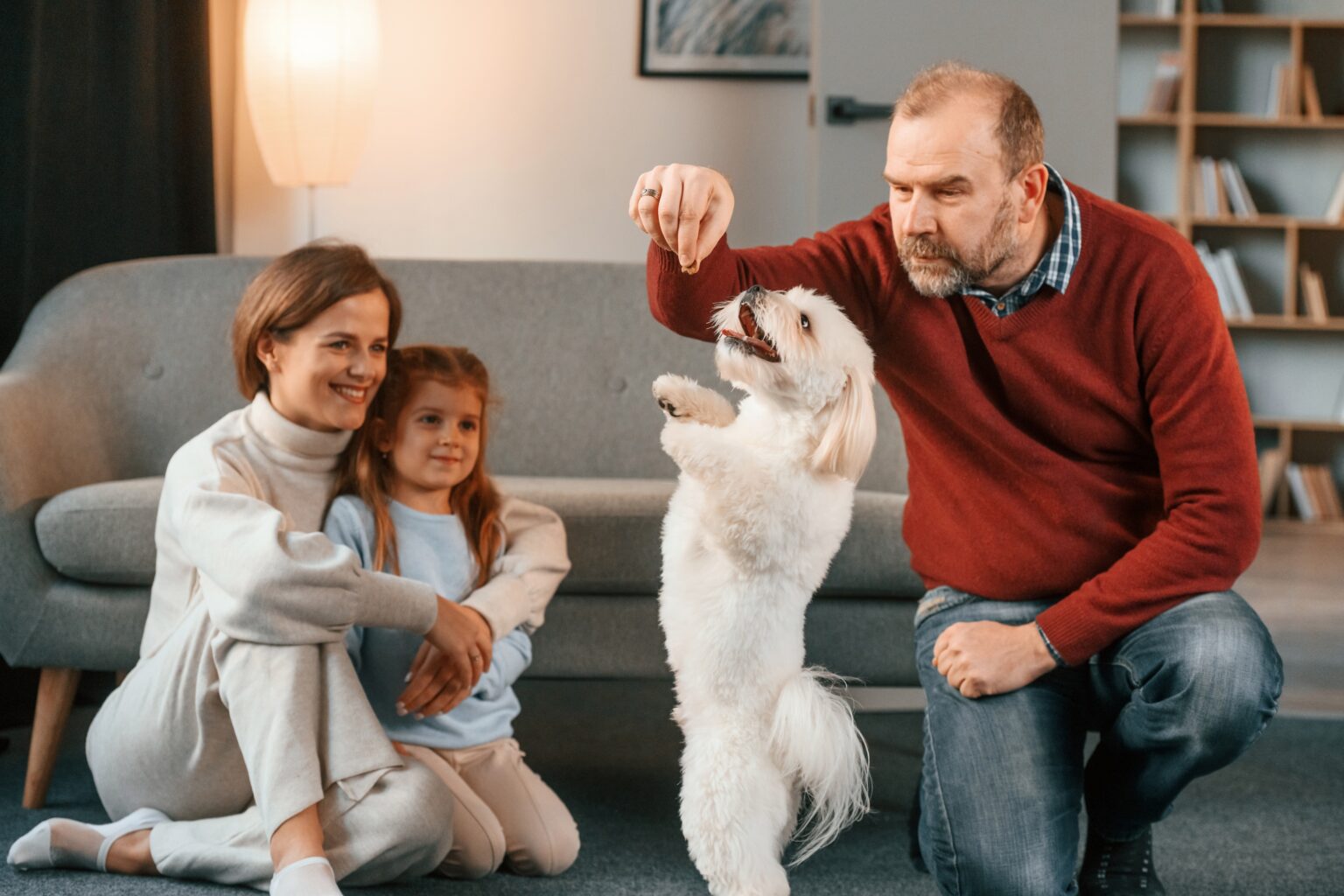
Dog training in Mebane has evolved into a science that blends consistency, positive reinforcement, and an understanding of canine behavior. Whether a new puppy or a seasoned adult, every dog benefits from a structured program that respects its unique temperament while teaching essential obedience skills. This article outlines effective techniques that can be applied at home or in a professional setting, helping owners achieve reliable results and a stronger bond with their pets.
Why Professional Training Programs Matter
Local training programs in Mebane provide more than just basic commands; they offer a comprehensive approach that addresses socialization, anxiety management, and problem-solving behaviors. By participating in a well-designed curriculum, owners gain insight into:
- Reading body language and stress signals.
- Applying consistent cues across different environments.
- Building confidence in both the dog and the handler.
For a deeper look at a proven curriculum, Discover expert strategies here.
Core Training Techniques
1. Positive Reinforcement
Reward-based training encourages dogs to repeat desirable actions. Use high-value treats, praise, or play as immediate rewards. Key points include:
- Deliver the reward within two seconds of the correct behavior.
- Gradually phase out treats while maintaining verbal praise.
- Keep sessions short (5-10 minutes) to maintain enthusiasm.
2. Clicker Training
The clicker acts as a precise marker that tells the dog exactly which behavior earned the reward. Steps to implement:
- Condition the dog to associate the click sound with a treat.
- Click the moment the desired action occurs, then reward.
- Increase complexity by adding distractions once the basic cue is solid.
3. Consistent Cue Words
Using the same word or hand signal each time prevents confusion. Choose simple, distinct cues and use them uniformly across all family members.
Addressing Common Behavioral Issues
Many owners seek training to resolve specific challenges. Below are proven methods for frequent problems:
Excessive Barking
- Identify triggers (doorbells, strangers, boredom).
- Teach a “quiet” command using a calm voice and a treat when the dog stops.
- Provide sufficient mental and physical exercise to reduce overall arousal.
Pulling on the Leash
- Use a loose-leash walking technique: stop movement whenever tension builds.
- Reward the dog for walking beside you with a light touch of the leash.
- Practice in low-distraction areas before progressing to busier streets.
Separation Anxiety
- Gradually increase alone time in short intervals.
- Leave a calming scent or a puzzle toy to occupy the dog.
- Never make a big fuss when departing or returning.
For a program that integrates these solutions into a cohesive plan, Learn about our tailored solutions.
Advanced Training Options
Beyond basic obedience, many owners in Mebane pursue specialized training such as agility, scent work, or therapy dog certification. These activities provide mental stimulation and can improve overall behavior.
- Agility: Builds confidence, coordination, and focus.
- Scent Detection: Harnesses natural hunting instincts for fun games.
- Therapy Certification: Requires calm demeanor and reliable obedience in varied settings.
Guides that delve into these advanced topics are available online; Explore advanced guides and tips.
Creating a Home Training Schedule
Consistency is the cornerstone of success. A simple weekly schedule might look like this:
- Monday & Wednesday: 10-minute obedience drills (sit, stay, recall).
- Tuesday & Thursday: 5-minute clicker sessions focusing on new tricks.
- Friday: Socialization walk in a low-traffic park.
- Weekend: Longer play session combined with a brief review of commands.
Adjust the plan based on the dog’s age, breed, and energy level. Regularly reviewing progress helps identify areas that need extra attention.
Measuring Progress and Adjusting Techniques
Effective training requires ongoing assessment. Use these criteria to gauge success:
- Response reliability in low-distraction environments.
- Generalization of commands across different locations.
- Reduction in undesired behaviors over a set period.
If progress stalls, consider consulting a certified trainer for a personalized evaluation. Detailed information about such professional assessments can be found by Find out more about this approach.
Conclusion
Implementing structured, positive-based techniques in Mebane empowers owners to shape well-behaved, confident dogs. By leveraging local training resources, maintaining consistency, and tailoring methods to each dog’s needs, lasting results are achievable. Whether beginning with basic obedience or advancing to specialized skills, the path to a harmonious partnership begins with informed, compassionate training.