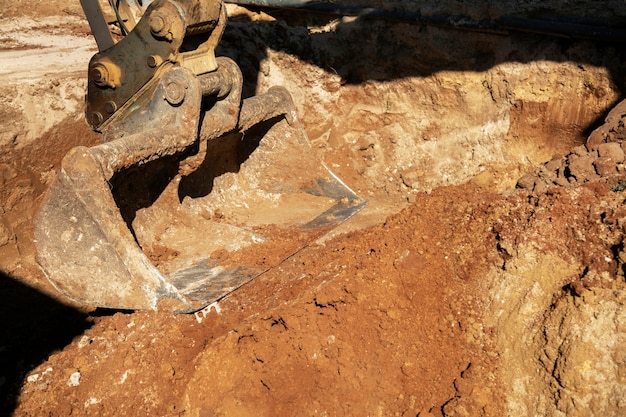
In the realm of construction, the quality and stability of soil underpin the success of any project. One technique that has gained considerable attention is lime soil stabilization. This method involves incorporating lime into the soil to enhance its properties, making it a robust foundation for building. Understanding the benefits of lime soil stabilization can lead to cost-effective and durable construction outcomes.
Understanding Lime Soil Stabilization
Lime soil stabilization is a technique used to improve the engineering properties of soil. It involves the application of lime to soil, which reacts chemically to improve its strength and durability. This process is highly effective for soils with high clay content, where traditional construction methods may falter.
Key Benefits of Lime Soil Stabilization
- Improved Load-Bearing Capacity: Lime-treated soils exhibit improved compressive strength, making them ideal for supporting structures.
- Enhanced Durability: The chemical reaction between lime and soil particles results in a more stable and durable base, resistant to environmental changes.
- Reduced Plasticity: Lime reduces the plasticity of soil, decreasing its tendency to expand and contract with moisture changes.
- Cost-Effectiveness: By creating a more stable foundation, lime soil stabilization can reduce the need for deeper foundations, cutting down construction costs.
- Environmental Benefits: This method can minimize the need for soil removal and replacement, thus reducing environmental impact.
For a deep dive into the strategies and techniques involved in lime soil stabilization, discover expert strategies here.
Applications in Construction
Lime soil stabilization is utilized across various construction projects, from roadways to building foundations. Its versatility makes it an attractive solution for developers and engineers alike. Here are some common applications:
- Highways and Pavements: Lime stabilization provides a durable base for roads, reducing maintenance costs over time.
- Airfield Runways: The method is effective in creating stable runways that withstand heavy loads and frequent use.
- Building Foundations: For structures built on clay-rich soils, lime stabilization offers a reliable foundation solution.
- Landfills and Embankments: Stabilized soil is essential for constructing secure landfills and embankments.
Explore advanced guides and tips on lime soil stabilization to enhance your next construction project by learning about our tailored solutions.
Choosing the Right Soil Stabilization Service
When considering lime soil stabilization, selecting a knowledgeable and experienced service provider is crucial. Effective stabilization requires precision and expertise to ensure that the soil meets the necessary engineering standards. Check out customer reviews here to see what others are saying about us on our GBP page.
Key Considerations
- Soil Analysis: A comprehensive soil analysis should precede any stabilization efforts to determine the appropriate amount of lime required.
- Project Specifications: The specific needs of the construction project will dictate the stabilization approach and techniques used.
- Experience and Expertise: Choose a provider with a proven track record in lime soil stabilization to ensure optimal results.
For further insights into choosing the right service, find out more about this approach.
Conclusion
Lime soil stabilization offers a myriad of benefits that can significantly enhance the stability and longevity of construction projects. Whether it”?s for roads, runways, or building foundations, this method provides a reliable solution to common soil challenges. By embracing lime soil stabilization, construction projects can achieve greater efficiency and sustainability. For those seeking to delve deeper into the intricacies of this approach, explore advanced guides and tips to make informed decisions about future projects.