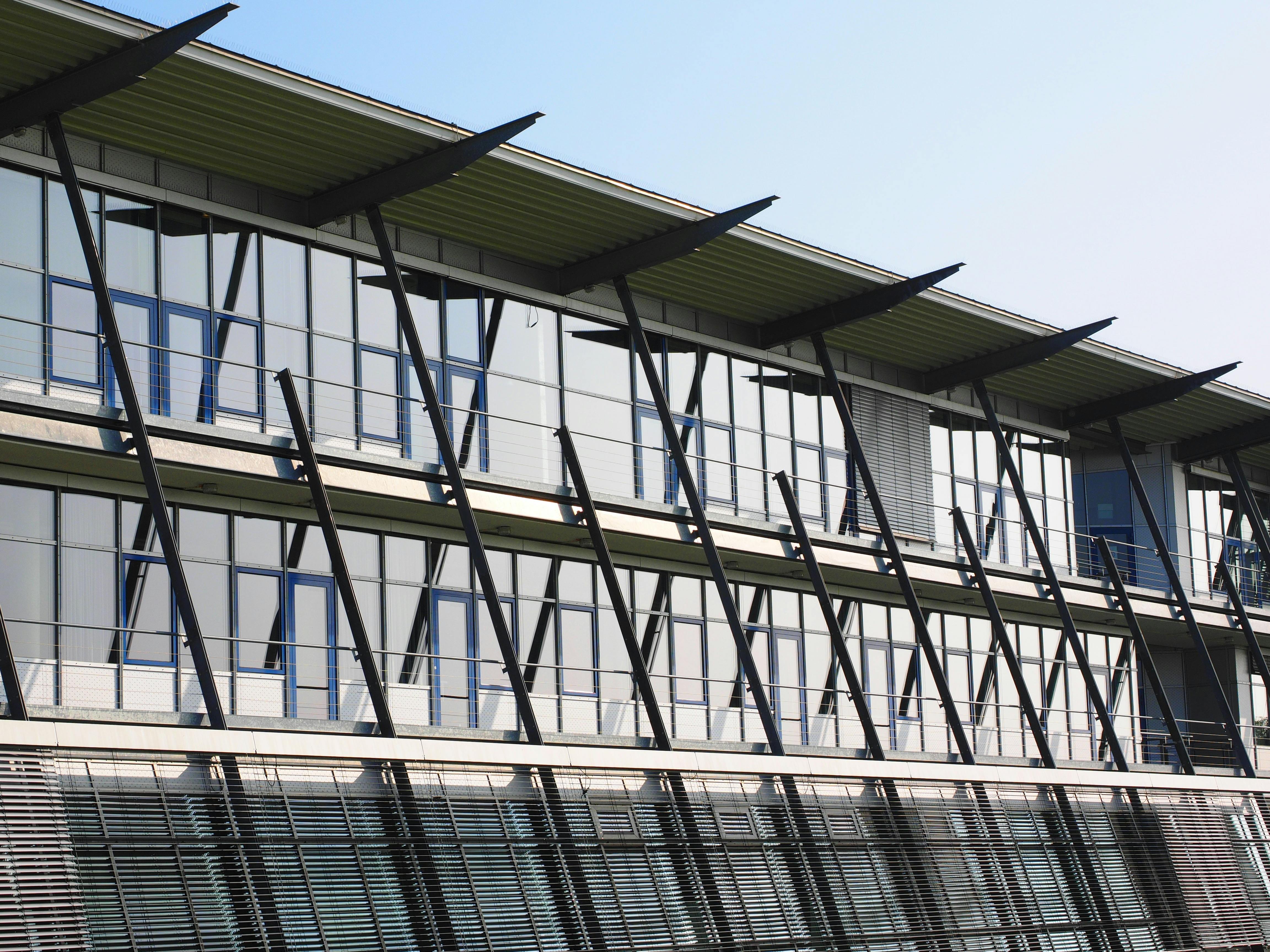
Climate change is an ever-pressing global issue that demands immediate action. The construction industry plays a pivotal role in this context, being one of the largest contributors to carbon emissions. Sustainable builders are therefore at the forefront of efforts to mitigate environmental impacts, adopting innovative techniques and materials that reduce the carbon footprint while maintaining high standards of construction quality. By embracing sustainable practices, these builders contribute significantly to the fight against climate change.
The Importance of Sustainable Building Practices
Sustainable building practices are essential for reducing greenhouse gas emissions and conserving natural resources. These practices involve using environmentally friendly materials, optimizing energy efficiency, and minimizing waste. The role of sustainable builders is crucial in:
- Reducing Energy Consumption: By incorporating energy-efficient designs and technologies, sustainable builders help reduce the energy required for heating, cooling, and lighting buildings.
- Minimizing Waste: Sustainable construction focuses on reducing waste through recycling and using materials that have a lower environmental impact.
- Enhancing Indoor Quality: Green buildings often feature improved air quality, natural lighting, and non-toxic materials, contributing to healthier living and working environments.
For those interested in more detailed strategies and benefits of sustainable building, discover expert strategies here.
Innovative Techniques in Sustainable Construction
Use of Eco-friendly Materials
The choice of materials is a key area where sustainable builders can make a significant impact. Traditional building materials often have a high carbon footprint, whereas eco-friendly alternatives offer a more sustainable solution.
- Recycled Materials: Utilizing materials like recycled steel and reclaimed wood reduces the need for new resources and minimizes waste.
- Low-emission Products: These products emit fewer volatile organic compounds (VOCs), improving air quality and reducing health risks.
- Biodegradable Options: Using materials that break down naturally reduces long-term environmental impact and supports circular economy principles.
Learn about our tailored solutions for integrating these materials into modern construction projects.
Energy-efficient Design
Energy efficiency is a cornerstone of sustainable building. Innovative designs and technologies can dramatically reduce energy usage in buildings.
- Passive Solar Design: Buildings are oriented and constructed to maximize natural heating and lighting, reducing reliance on artificial sources.
- Advanced Insulation: High-performance insulation materials maintain indoor temperatures, decreasing the need for heating and cooling systems.
- Smart Building Technologies: Automated systems optimize energy use, enhancing both efficiency and comfort.
To explore advanced guides and tips on implementing these designs, explore advanced guides and tips.
Challenges and Opportunities in Sustainable Building
While sustainable building offers numerous benefits, it also presents certain challenges that must be addressed to maximize its impact on climate change.
- Cost Considerations: Initial investments in sustainable technologies can be higher, though they often result in long-term savings.
- Regulatory Hurdles: Navigating building codes and obtaining necessary certifications can be complex and time-consuming.
- Skill Development: The industry requires skilled professionals who are knowledgeable about sustainable practices and innovations.
Despite these challenges, the opportunities for innovation and leadership in sustainable construction are substantial. Find out more about this approach to overcome these challenges and leverage opportunities in the sector.
Conclusion
Sustainable builders are pivotal in the global effort to combat climate change. By adopting eco-friendly materials, energy-efficient designs, and innovative technologies, they significantly reduce the environmental impact of the construction industry. While challenges remain, the potential benefits for the environment and society are immense. As more builders embrace these practices, the move towards a more sustainable future becomes increasingly achievable. For further insights and strategies in sustainable building, visit this resource for comprehensive guidance.