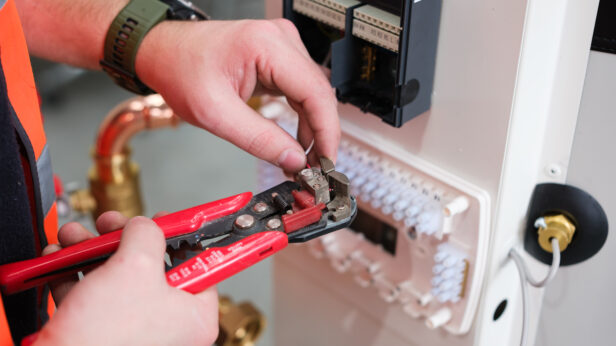
In the ever-evolving landscape of sustainable developments, maximizing efficiency is paramount. Offsite MEP (Mechanical, Electrical, and Plumbing) plantrooms offer a revolutionary approach to achieving this objective. By leveraging prefabrication and modular construction techniques, these offsite solutions not only streamline the construction process but also enhance sustainability, reduce waste, and minimize on-site labor requirements. This article delves into the key benefits and operational strategies of offsite MEP plantrooms, providing insights into how they contribute to more efficient and sustainable building practices.
Understanding Offsite MEP Plantrooms
Offsite MEP plantrooms, also known as prefabricated plantrooms, are pre-engineered and assembled in a controlled factory environment before being transported to the construction site for installation. This innovative approach offers numerous advantages, particularly in the context of sustainable developments.
Benefits of Offsite MEP Plantrooms
- Time Efficiency: Offsite prefabrication significantly reduces construction timelines by allowing simultaneous on-site preparation and offsite assembly.
- Quality Control: Manufacturing in a controlled environment ensures higher quality standards and reduces the likelihood of errors.
- Reduced Waste: Prefabrication minimizes material waste, contributing to more sustainable construction practices.
- Safety Improvements: By reducing the amount of on-site work, the risks associated with construction site accidents are diminished.
- Space Optimization: Prefabricated plantrooms are designed to optimize space utilization, making them ideal for developments with limited on-site space.
For those seeking to integrate offsite MEP plantrooms into their projects, a variety of tailored solutions are available. Learn about our tailored solutions to explore how these innovations can be customized to meet specific project requirements.
Sustainability and Environmental Impact
The growing emphasis on sustainability in construction has propelled the adoption of offsite MEP plantrooms. These solutions align with green building standards and contribute to reducing the carbon footprint of new developments.
Key Environmental Benefits
- Lower Emissions: Offsite fabrication reduces transportation requirements and on-site machinery usage, leading to lower carbon emissions.
- Energy Efficiency: Precise engineering and manufacturing processes enhance the energy efficiency of the plantrooms.
- Resource Conservation: The efficient use of materials and reduction of waste support resource conservation efforts.
To delve deeper into the environmental advantages of offsite MEP plantrooms, discover expert strategies here and understand how these solutions align with broader sustainability goals.
Implementation Challenges and Solutions
Despite the clear benefits, implementing offsite MEP plantrooms can present certain challenges. However, these challenges can be effectively mitigated through strategic planning and collaboration.
Addressing Challenges
- Design Coordination: Early and detailed coordination between designers, engineers, and manufacturers ensures seamless integration of prefabricated components.
- Logistical Considerations: Planning for transportation and installation logistics is crucial to avoid delays and ensure timely project completion.
- Regulatory Compliance: Understanding and adhering to local building codes and regulations is essential to ensure compliance and project success.
By addressing these challenges, developers can effectively integrate offsite MEP plantrooms into their projects. For further guidance, find out more about this approach and explore advanced guides and tips for successful implementation.
Future Outlook
The adoption of offsite MEP plantrooms is set to increase as the construction industry continues to prioritize sustainability and efficiency. Advancements in digital technologies, such as Building Information Modeling (BIM), are expected to further enhance the design and integration of these prefabricated systems.
As the demand for sustainable developments grows, offsite solutions will play a pivotal role in meeting these needs. By embracing these innovations, the construction industry can significantly reduce its environmental impact while achieving greater operational efficiency.
For more information on the latest trends and innovations in offsite MEP plantrooms, explore advanced guides and tips available from leading industry experts.